STAGE ARCHITECTURE

Program Structure & Sequential Cue Architecture

Establish deterministic timing blocks and resilient department handovers across technical production teams to guarantee seamless live delivery.

Architectural Blueprint

Rundown Anatomy & Chronological Flow

A rigorous, deterministic method for partitioning live events into resilient show segments, cue checkpoints, and fallback boundaries.

Segment View:
Deterministic Timing Matrix
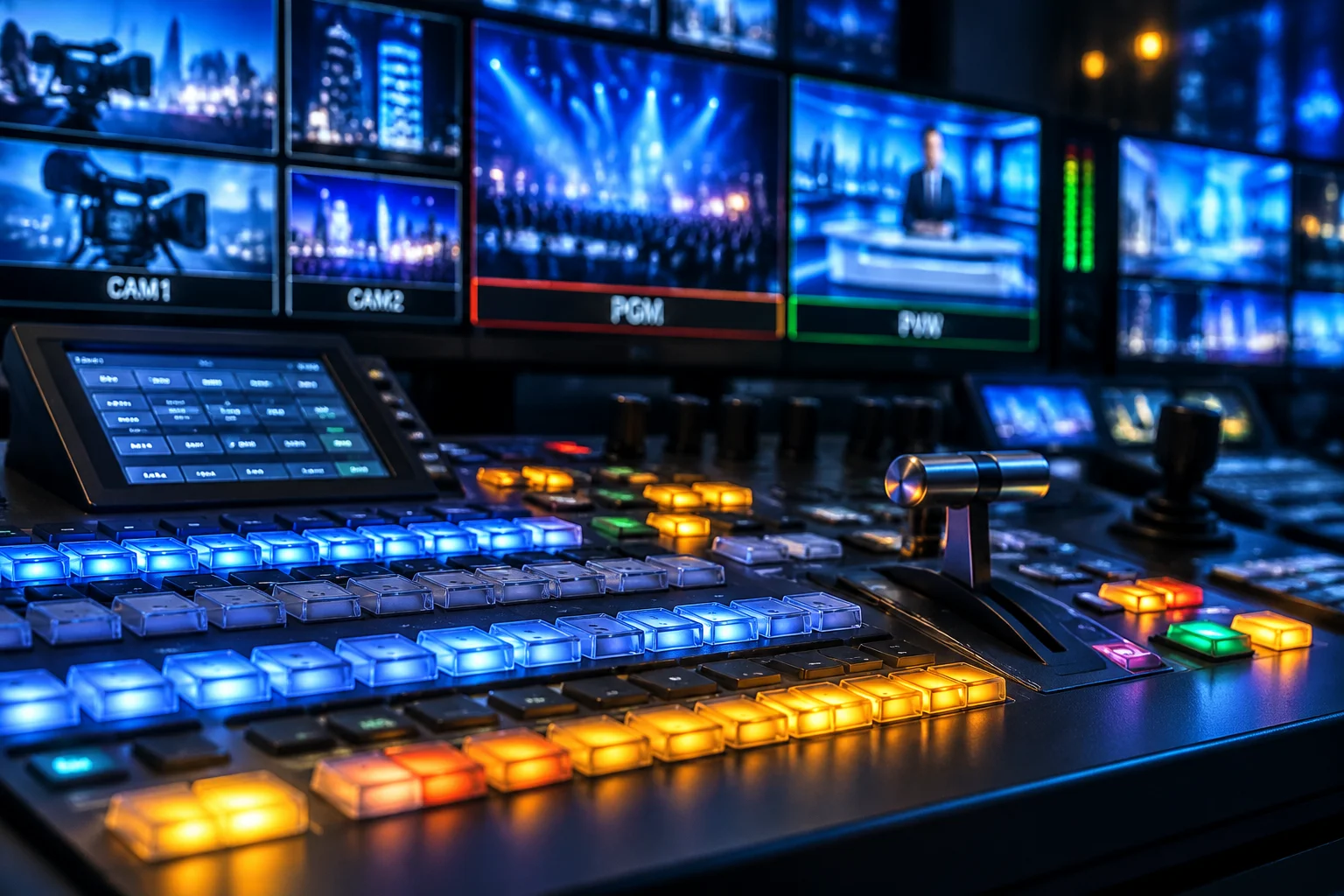
Pre-show staging and technical cue readiness
Segment 01 • T-30:00 to T-00:00LANE: AUDIO • VISUAL • HOUSE
Atmospheric BaselineAudience arrival, loop media synchrony, and communications check
Pacing Target

30 Minutes Buffer

Maintains constant acoustic masking and ambient graphics during auditorium filling.

Critical Checkpoint

Intercom Clear

All stage managers, video switchers, and audio engineers verify two-way cue lines.

Safety Contingency

Hold Frame 00

Auxiliary looping visual configured to run indefinitely without visual drift.

Cue MarkerPrimary ExecutionDepartmentTarget State
T-30:00Roll walk-in playlist; establish 48k audio feedA1 / AudioActive Loop
T-10:00Execute stage wash level 40%; spotlight beam verifyL1 / LightingVerified
T-01:00Trigger 60-second visual countdown on presenter confidence displayV1 / VideoArmed
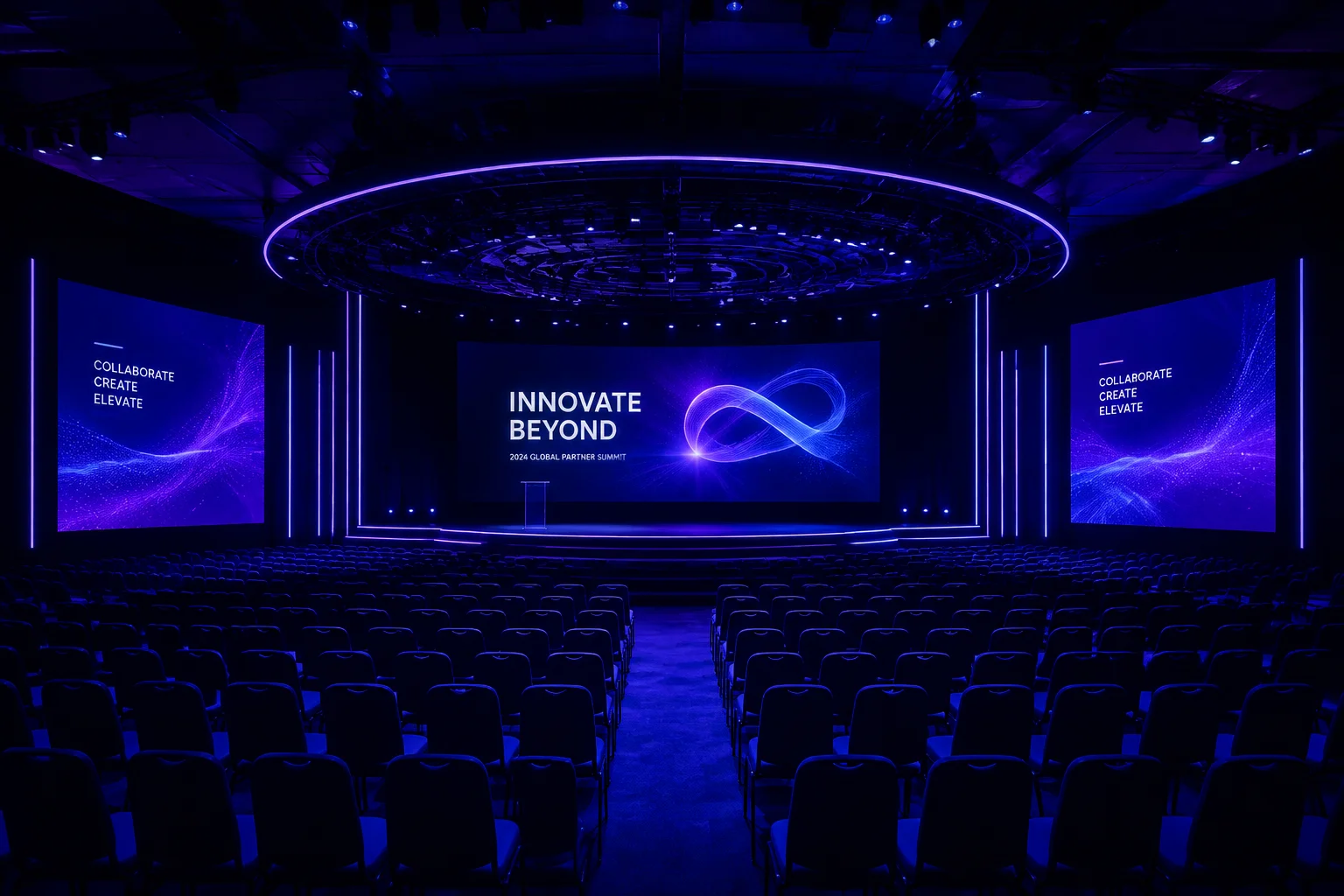
Primary keynote stage presentation architecture
Segment 02 • T+00:00 to T+45:00LANE: BROADCAST • STAGE LECTERN
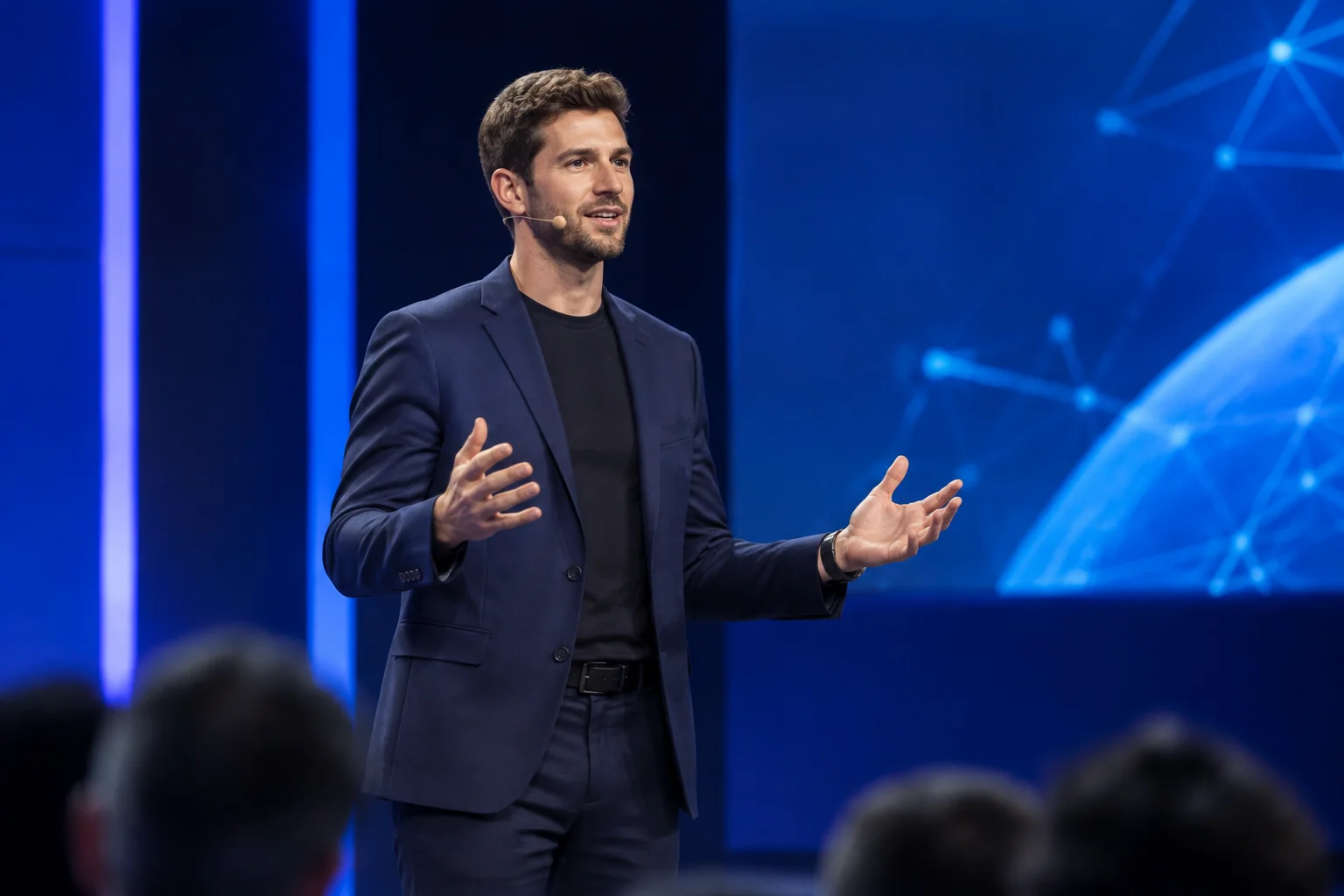
Keynote Focal DeliveryHigh-attention solo speaker sequence with dynamic media triggers
Strict Time Envelope

45 Minutes Max

Hard overrun threshold of 3 minutes with progressive confidence monitor cues.

Cue Trigger Mode

Presenter Master

Primary slide changes are speaker-actuated; video transitions tracked via timeline.

Fallback Route

Duplicate GFX Core

Main and backup machines tracking synchronized cues in parallel SDI outputs.

Cue MarkerPrimary ExecutionDepartmentTarget State
T+00:00Intro video roll with quad-split matrix handoverMaster ControlLocked
T+02:15Speaker entry spot tracking; hot-mic unmute thresholdA1 + L1Live On Stage
T+42:00Audible stage manager whisper cue: wrap sequence initiateShow CallerStage Alert
Multi-microphone panel seating and live moderation layout
Segment 03 • T+50:00 to T+85:00LANE: MULTI-MIC • AUTOMIX
Panel ExchangeMulti-speaker seating with dynamic stage lighting balance and live Q&A
Channel Density

5 Wireless Channels

Dedicated Dugan automix routing prevents acoustic comb filtering and bleed.

Lighting Geometry

Wide Front Fill

Balanced illumination preventing harsh facial shadows across the entire couch arc.

Floor Coordination

Runner Catchers

Two wireless catch mics in house with designated audio squelch rules.

Cue MarkerPrimary ExecutionDepartmentTarget State
T+50:00Lower-third graphic array for 4 panelists and 1 moderatorGFX CoreArmed Batch
T+70:00House house-light step-up to 20% for audience question pickupLightingStandby
T+83:00Panelist egress sting track armed; transition slide queuedA1 / AudioReady
Closing program credits and attendee exit media layout
Segment 04 • T+85:00 to T+110:00LANE: OUTRO • ARCHIVE • STREAM RECORD
Adjournment & Exit RoutingClosing remarks, partner credits, directional signage, and stream archive stop
Session Archive

Dual ProRes 422

Redundant master recordings stop exactly 90 seconds after stage clearing.

House Display

Wayfinding Slides

Stage screens transition to session feedback QR codes and breakout hall map.

Comms Protocol

All-Call Debrief

Five-minute technical debrief on channel A immediately upon stream cessation.

Cue MarkerPrimary ExecutionDepartmentTarget State
T+85:00Play closing sponsor montage; roll audio crescendoPlaybackRolling
T+90:00Stream slate take; disengage encoder transmission channelsBroadcast EngStream Cut
T+110:00Power-down stage fixtures; hand over room audio to facility house lineLead TechCleared
Sequential Execution Standard

Mastering Block Transitions

Proceed to examine the transition boundaries between segments to eliminate silent pauses and video black frames.